
Feature: Graphic design
The image as evidence
The career of Germano Facetti is exceptional in its range. As art director of Penguin Book covers in the 1960s and as a designer, he was a powerful influence on book and information design, throwing a special light on Modern Movement aspirations and on attitudes to illustration. Facetti has maintained the concept of “documentary” and diagrammatic illustration to induce understanding, to express emotion, or to accumulate information in a more memorable way.
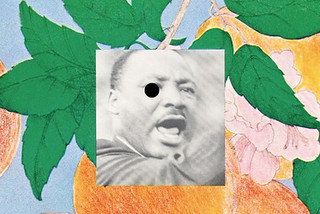
Look away
‘The South’, Seymour Chwast’s special civil rights issue of Push Pin Graphic, was a virtuoso display of graphic design authorship

Reputations: Maira Kalman
‘I was out walking the dear dog and I saw 500 things that made me want to make art.’
Mr Roughcut
or: how graphic designer Pablo Ferro learned to split the screen, cut the crap and tell the story (in the time it took to run the titles)
Revolutionary language
“A revolutionary graphic language must seek to expose the meaning by presenting a chain of ideas, images, structures in as much of their complexity as is economically feasible.” Robin Fior in The Designer, journal of the society of industrial artists and designers, London, May 1972.
The work must be read
Lawrence Weiner’s art is a kind of sculpture made of language, free from excess or embellishment and strangely familiar from its far-reaching influence on graphic designers
What is this thing called graphic design criticism?
In the last ten years a substantial body of critical writing on graphic design has amassed. In this transatlantic dialogue, Rick Poynor and American design critic Michael Rock explore the state of design criticism now and put the arguments for different approaches
A New York state of mind
The design of The New Yorker has nearly always taken the approach that ‘if it ain’t broke, don’t fix it’, with a familiar layout and masthead. Does a face-lift jeopardise its relationship with its readers? Time to call in the Type Police
Reputations: Malcolm Garrett
‘I figure it’s my job to be this kind of blinkered believer. You know: I am the new futurist, I will live in the technological world.’
Word art
In post-war art the visual and the literary have blurred. Typography is the point at which they meet